LEAK AUDIT RESULTS – CASE STUDY
Independent studies across Europe and the US have determined that air compressors consume as much as 10% of all electricity generated. Moreover, as much as 50% of this energy is wasted, with compressed air leaks alone accounting for 25 – 30% of compressed air use. Addressing this inefficiency is crucial for reducing energy costs and improving sustainability.
SCADAR’s Approach to Energy Efficiency
SCADAR adheres to the ISO 11011 standard for compressed air energy efficiency assessment. This standard ensures that installations are evaluated based on a clearly defined framework. For organisations with, or considering, an ISO 50001 energy management system, a SCADAR audit can serve as a benchmark.
Advanced Leak Detection and Management
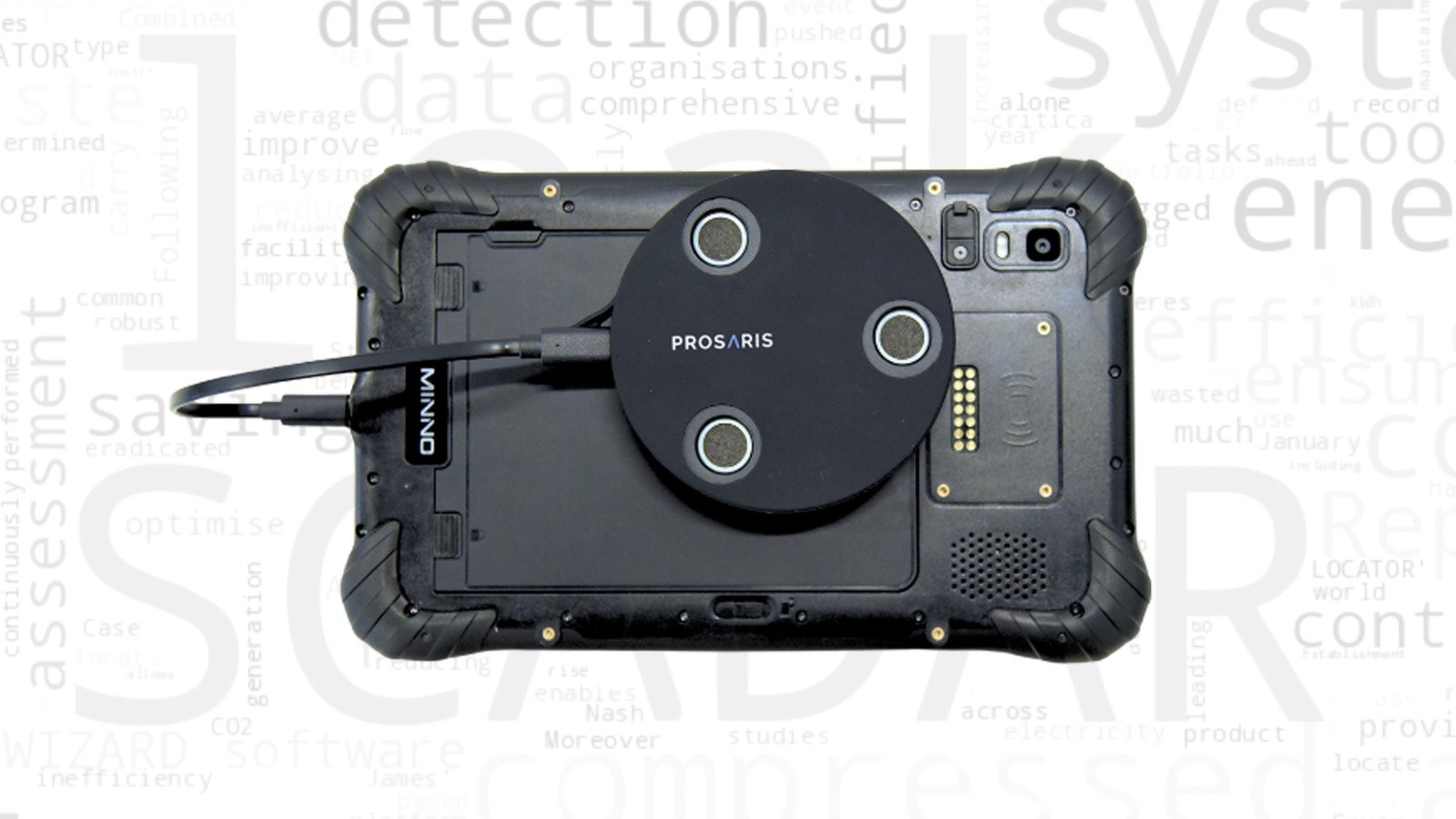
SCADAR’s world-class compressed air auditing tools for service providers include the LEAK WIZARD software and the LEAK LOCATOR tool. Combined, these are used to carry out a leak audit. This comprehensive approach ensures a robust system for detecting, analysing, and mitigating compressed air leaks. The SCADAR ‘LEAK WIZARD’ software platform enables users to consolidate and manage all tasks and leak data, pictures, and location tags.
Case Study: SCADAR in Action at Hewland Engineering
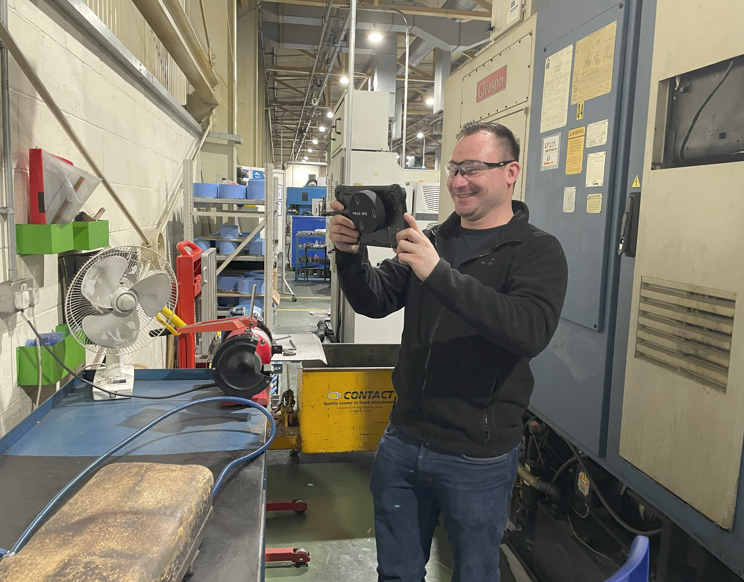
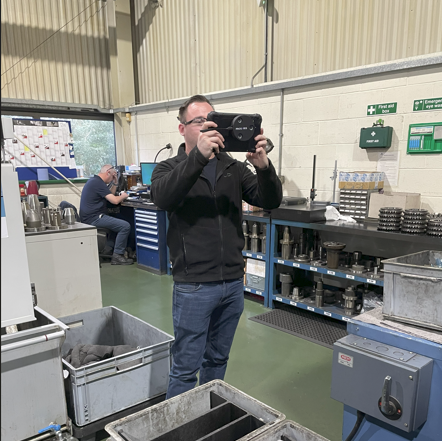
In January 2024, CMC NV’s James Nash, equipped with a SCADAR ‚LEAK LOCATOR‘, was at Hewland Engineering to carry out a LEAK AUDIT in the facility pipework.
The LEAK LOCATOR tool, part of the SCADAR product portfolio, was used to locate and tag leaks. These tagged leaks can then be eradicated, with the edge data harvested and pushed to SCADAR.NET using the LEAK WIZARD software. Here, the energy, cost, and CO2 savings potential are quantified, and as the tagged leaks are eliminated, tangible savings are quantified.
Smart Data Management System
SCADAR provides a smart data management system to record and analyse leak event data, supporting corrective actions. This system equips users to continuously monitor and improve the efficiency of their compressed air systems.
Results
During the initial third-party assessment conducted in 2022, a SCADAR ’supply side‘ audit (focused on compressed air generation) was performed. This type of audit, the most common SCADAR audit, was used to verify the utilisation and cost of compressed air. The 2022 assessment confirmed the compressed air system’s continuous operation of 8,760 hours per annum.
In James‘ recent audit, The system’s performance was rated as POOR, with a leak ratio of 32.73%, significantly above the industry average. Seven critical leaks were identified, with a total of 101 leaks discovered, leading to waste costs of £37,325 per year.

With the forecasted increase in electrical energy costs from £0.28 to £0.37 per kWh, the cost of energy associated with Hewland Engineering air compressors is set to rise to £152,554, with waste amounting to £49,931.
As A Result Of The Audit, The Following Recommendations Were Made:
Continued Utilisation of SCADAR Ultrasonic Leak Detector
Proactive leak detection using SCADAR should be maintained to stay ahead in the battle against inefficiencies and to realise ongoing cost savings.
Prompt Repair of Identified Leaks
All identified leaks in the compressed air system should be addressed promptly to curtail energy waste and optimise performance.
Continuous Monitoring of System Performance:
Implementing continuous monitoring of your compressed air system, including flow, allows you to identify, and, address leaks.
Establishment of a Regular Leak Detection and Repair Program:
Institute a structured program for regular leak detection and repair to ensure timely identification and resolution of leaks in the future.
Training and Empowerment of Staff
Staff should be trained on the significance of compressed air leak detection and maintenance. Equipped with the necessary tools and resources to execute these tasks effectively, will reduce wastage.
Post-Repair Performance Evaluation
A thorough review of compressor performance and settings post-repair is crucial to optimise the system. This step ensures the full capitalisation on the implemented repairs and achieves significant kW savings.
Conclusion
By following these recommendations and utilising SCADAR’s advanced technology and data management systems, organisations can significantly reduce energy waste, lower costs, and improve the overall efficiency of their compressed air systems. SCADAR provides a comprehensive solution for managing and maintaining an energy-efficient compressed air system, ensuring long-term sustainability and cost-effectiveness.